
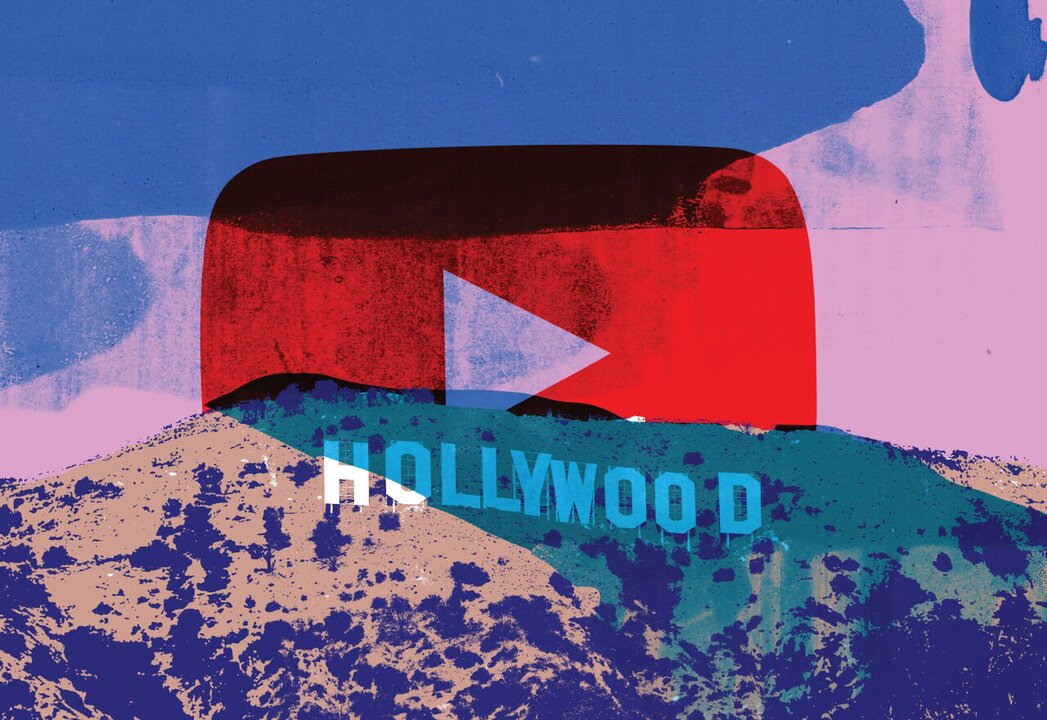
How YouTube Won the Battle for TV Viewers
Introduction
In the span of two decades, YouTube has transformed from a repository of amateur web videos into a dominant force on the living room screen. The platform, which launched in 2005, just turned 20 years old and has become the most-watched streaming service on U.S. TV screens. In January 2025, YouTube accounted for about 10.8% of all television viewing in the United States – more than any single streaming competitor and even surpassing the major networks’ streaming platforms. By April 2025, YouTube’s share of American TV watch time climbed to a record 12.4%, solidifying its position as the leading “channel” in the living room. For a growing segment of viewers, YouTube isn’t just competing with traditional television – it is television.
This milestone signals a profound shift in viewer behavior with significant implications for the media industry. A generation that came of age watching YouTube on laptops, tablets, and phones is now bringing those viewing habits onto the big screen. As these viewers have migrated to internet-connected televisions and streaming devices, they continue to favor YouTube’s endless library of content over traditional broadcast and cable programming. The result is that Hollywood’s long-held grip on the TV audience is loosening, forcing studios, networks, and streaming services to reckon with YouTube’s ascent in the battle for viewers’ attention.
From Small Screens to the Living Room: A Generational Shift
Younger audiences are leading the charge in redefining what “TV” means. In the U.K., viewers under 25 have cut their live TV viewing by 73% since 2012. Less than half of U.K. 16–24-year-olds watch any broadcast TV in a given week. Instead, these young viewers are devoting their time to platforms like YouTube and TikTok. In the U.K., 16–24-year-olds now spend three times longer each day watching video on sharing platforms than they spend watching conventional live TV.
This YouTube-centric viewing is no longer confined to personal devices; the TV set is making a comeback as the preferred screen – but now it’s used to stream online video. In the U.K., the average time 16–34 year-olds spent watching YouTube on a television nearly doubled in one year. Across all ages, viewing YouTube on TV sets jumped 70% year-on-year. In the U.S., YouTube’s CEO confirmed that TV screens have overtaken mobile devices as the primary way people watch YouTube.
In Southeast Asia, over two-thirds of viewers in each major country said that YouTube "is TV" when they watch it on a television screen. For the digitally native generation, the concept of "TV" is defined not by delivery technology or Hollywood studios, but simply by the content and the screen.
The “Everything Store” of Video – and How YouTube Got Here
YouTube’s rise to living-room dominance did not happen overnight. Today, YouTube offers virtually every type of video content: gaming, music, documentaries, series, films, news, sports, education, and kids’ shows. It has become the "everything store" of video consumption.
Several platform strategies enabled this:
-
Ubiquitous Integration into Smart TVs and Devices: YouTube is available on virtually every connected TV platform. In Southeast Asia, tens of millions of users watch YouTube on TVs.
-
Diversification of Content Formats: YouTube embraced short-form, long-form, and live video. Nearly 38% of YouTube’s global users watch traditional long-form content on the platform.
-
Creator Ecosystem and Personalized Content: YouTube’s algorithm personalizes content, and its vast creator base ensures constant engagement.
-
Ad-Supported, Free Viewing Model: Unlike paid streaming services, YouTube remains free and ad-supported, attracting both viewers and advertisers. YouTube’s ad revenues surpassed $10 billion in a single quarter.
Studios increasingly use YouTube to distribute clips and full episodes. As YouTube’s reach grows, more content and viewers converge on its platform.
Regional Perspectives: USA, Europe, and Asia
United States
YouTube has emerged as the biggest TV platform. By April 2025, YouTube had 12.4% of all TV viewing, surpassing Netflix and traditional networks. Cord-cutting, YouTube TV, and NFL partnerships have driven growth. YouTube TV now has around 8 million subscribers. NFL Sunday Ticket moved to YouTube, bringing new, younger audiences to the sport.
Advertisers are shifting budgets from TV to YouTube. Traditional TV ad revenues are declining, while YouTube continues to grow.
Europe and the UK
In the U.K., the average adult spends 38 minutes per day on YouTube. Among children and youth, YouTube dominates TV viewing. Only 33 minutes per day are spent on live broadcast TV among 16–24-year-olds, while over 90 minutes go to YouTube and TikTok.
TV ad revenues in the UK fell 13.6% year-on-year, while connected TV ad spend (including YouTube) rose 21%. European broadcasters are adapting by putting content on YouTube to stay relevant.
Asia
In Asia, YouTube became the dominant video platform via mobile-first adoption. In India, digital media overtook television as the largest entertainment segment in 2024. Connected TV households in India rose to 30 million.
Southeast Asia shows similar trends: massive YouTube penetration and increased connected TV use. Two-thirds of viewers in key Southeast Asian countries say watching YouTube on TV is watching TV.
Local creator ecosystems are thriving, with YouTube usage and uploads surging. Regional content in local languages dominates.
Hollywood on the Back Foot: Implications for Traditional Media
Hollywood is losing cultural relevance among younger viewers. Major events and shows are often watched as YouTube clips after airing, not live. Late-night shows and award programs now rely on YouTube for wider reach.
Ad budgets are shifting away from TV. YouTube’s ad revenue is now larger than many TV groups.
Creators are bypassing Hollywood, building careers directly on YouTube. This decentralization of talent and revenue challenges the studio system.
Studios are launching free ad-supported channels and exploring YouTube partnerships. But these moves reinforce YouTube’s dominance rather than displacing it.
The New TV Economy: Analytics and Monetization
Measurement and Data
Viewership on YouTube is precisely measured, unlike legacy TV. Nielsen now includes YouTube in its tracking of TV share.
Creator Monetization
YouTube shares ad revenue with creators. Top creators earn millions. This model is efficient and scalable.
Subscription and Premium Content
YouTube also offers Premium, channel memberships, and rentals. However, its core strength remains free, ad-supported viewing.
Investors view YouTube as a high-margin, scalable media business. Its reach and monetization model attract both creators and advertisers.
The New Mainstream and Future Outlook
YouTube is now central to the TV experience for a new generation. With growing time spent on the platform, its influence on media and advertising is expanding.
We can expect:
- Continued growth of YouTube on TV screens.
- More traditional content appearing on YouTube.
- More advertisers shifting budgets.
- Further decline in traditional broadcast viewing.
- A new generation of creators defining the cultural agenda.
In short, YouTube didn’t just join the TV ecosystem – it redefined it. The battle for the screen has been won. The next war is for what comes next in defining the meaning of TV for future generations.