
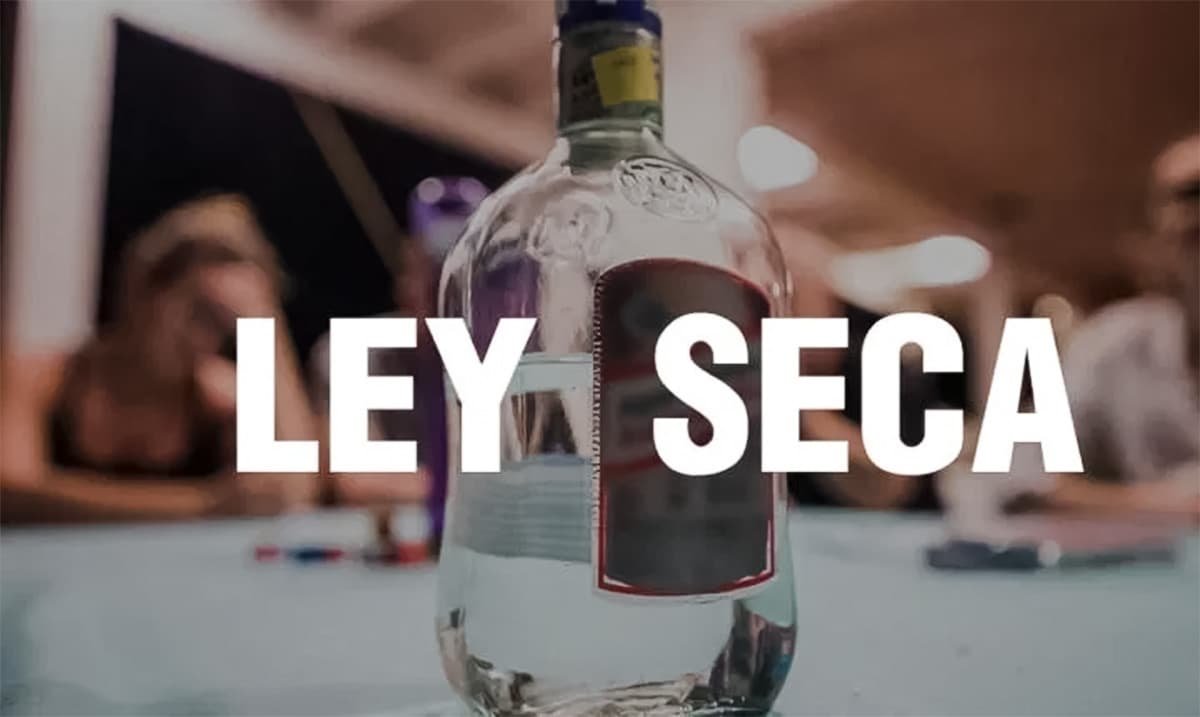
Association of Municipalities of Panama rejects the lifting of the Dry Law
The Association of Municipalities of Panama (Amupa) issued a statement to reject the decision to lift the Dry Law (Ley Seca) that the Ministry of Health earlier announced to be lifted gradually 8 May onwards.
The note that is signed by Julio Vivies, mayor of Montijo and president of the association, indicates that before the reactivation of the Dry Law at the national level was published, they had already taken restrictions in the different municipalities on the consumption and sale of alcohol during quarantine.
"Considering that the consumption of alcoholic beverages during confinement due to quarantine can trigger situations such as: disruption of public order, domestic violence and being more damaging to districts that have very few police units, which have been doing an excellent job. Lifting of the law can make their work much more complicated", the statement indicates as the reason why they will not lift the Dry Law.
The mayors of the 81 districts gathered in this association indicate that they reject the lifting of the law and express their concern by ensuring that it is not relevant and stress that there are currently other priorities in the country.
The Arraiján district will maintain Dry Law due to the "high rate of Covid-19 contagion in the district and based on the recommendations of the municipal council" said the mayor, Rollyns Rodríguez.
The Mayor's Office of Santiago in Veraguas province, issued a decree establishing the Dry Law until June 7 as an additional measure to reduce the spread of the coronavirus.
“Due to the increase in cases of COVID-19 in the different parts of the Santiago district, the excessive mobility of people and vehicles, it is necessary to take extreme control and mitigation measures to prevent the spread of COVID-19, including all sectors in the community of Santiago participate in this fight, as key pieces to be able to resume our daily activities in the shortest possible time ”, said the decree signed by the Mayor of Santiago, Samid Sandoval.
The resolution also establishes sanctions of 50 to 1,000 dollars for those who violate these provisions.