
China Sets Date for Congress, Signaling Coronavirus Is Under Control
The Communist Party is eager to use its most important political spectacle to project confidence in the face of economic challenges and foreign criticism.
BEIJING — China delivered its strongest statement of confidence yet that it has tamed the country’s coronavirus epidemic, announcing on Wednesday it would hold a much-delayed top political gathering late next month and ease quarantine restrictions in the capital.
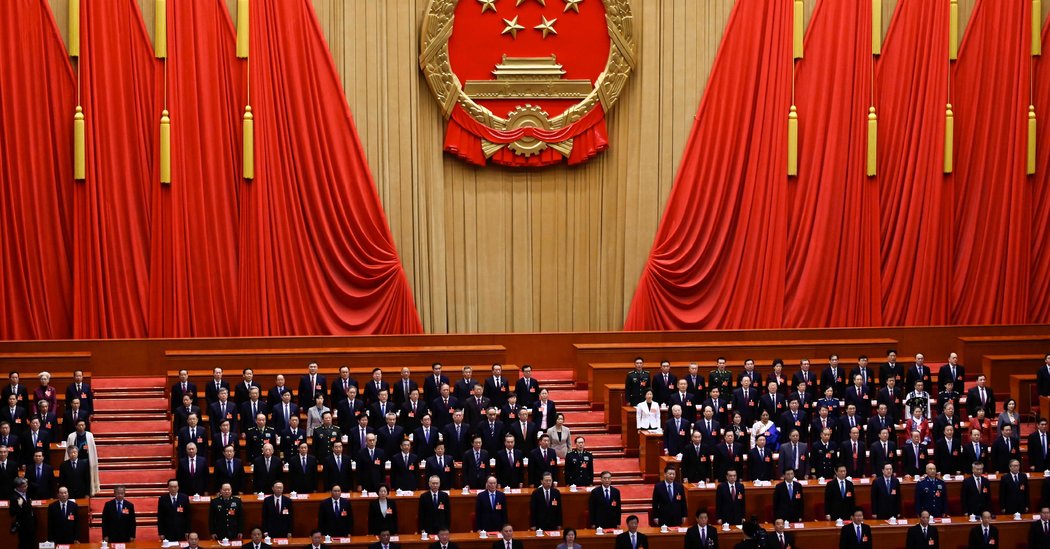
The most important event on China’s political calendar, the annual session of the National People’s Congress will provide the Communist Party with a platform intended to inspire national pride and reassert its primacy. The gathering of top officials from across China will also allow the party to demonstrate unity at a time when many in North America, Europe, Africa and Australia are highly critical of China’s initial efforts to conceal the severity of the outbreak.
“The narrative is that the Chinese way of doing things, the China model, is better than other countries in controlling the virus,” said Willy Lam, a specialist in Beijing politics at the Chinese University of Hong Kong. “This is a symbolic event, showing China has won the war.”
The congress is largely ceremonial, with delegates gathering every year to rubber-stamp major decisions. But the decision in February to delay this year’s session came as a shock to many in China, and sent a global signal of the seriousness of the epidemic. Even during the SARS outbreak in 2003, the annual legislative session went ahead as scheduled.
But the outbreak in China has subsided in recent weeks, with most cases coming from travelers returning from abroad. On Wednesday, only one case of local transmission was reported.
The announcement that the congress was scheduled for May 22 suggests that officials feel assured that the gathering can be held without placing the central leadership and delegates at risk.
The government did not say how this year’s meeting would be conducted. But in past years, it has drawn nearly 3,000 delegates from every province, including officials, party members, army generals in olive green and a smattering of representatives of ethnic minorities in traditional dress. They have assembled in tight rows on the main floor of the cavernous Great Hall of the People on Tiananmen Square to attend carefully scripted meetings.
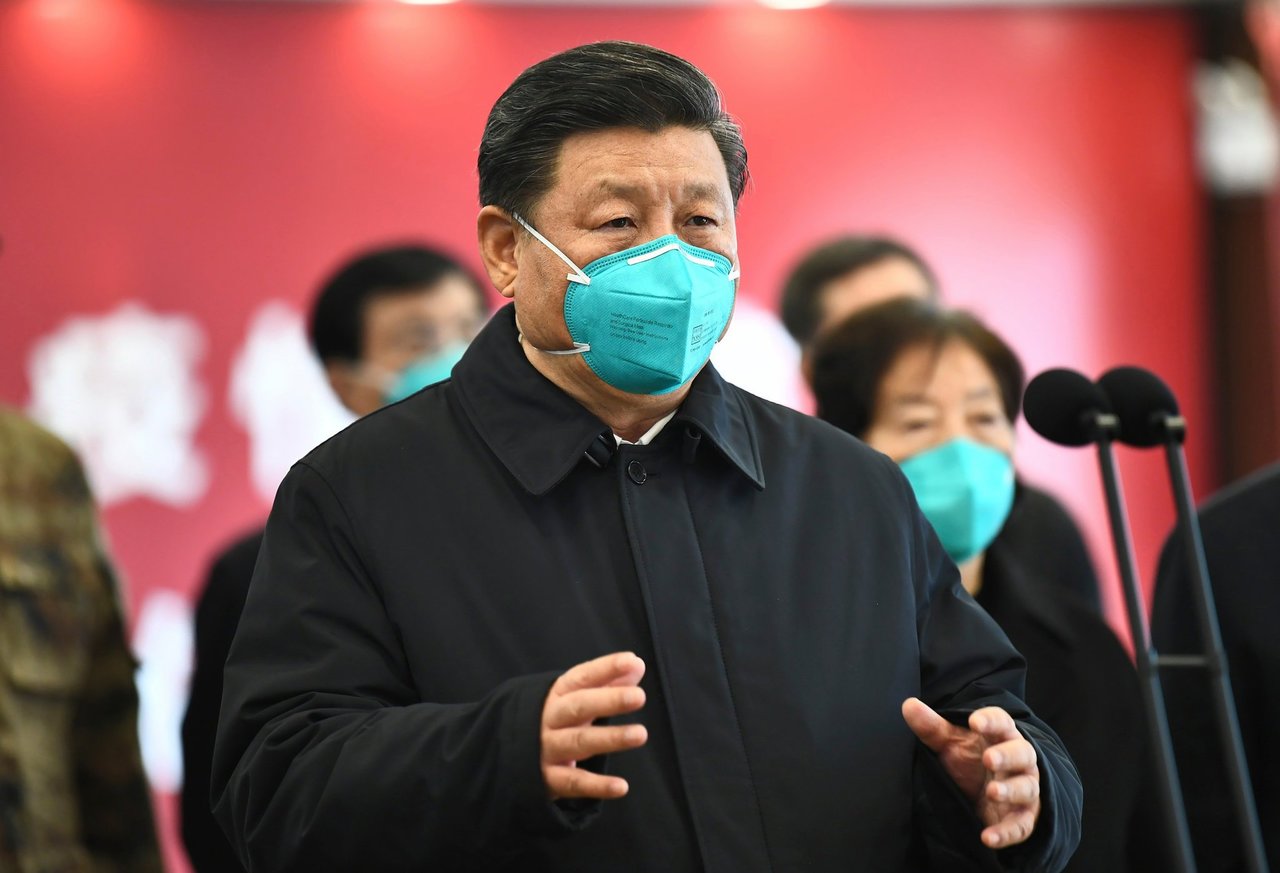
The congress will portray Xi Jinping, China’s top leader, as firmly in charge, said Jean-Pierre Cabestan, a political scientist at Hong Kong Baptist University. Mr. Xi mostly disappeared from public view during the worst days of the outbreak in Wuhan, where the virus first emerged.
By holding the session, “he wants to show again he’s very much in the saddle,” Mr. Cabestan said.
In another sign that the government wants to project confidence in its strategy to tame the virus, the authorities in Beijing said on Wednesday that most domestic travelers arriving in the city would no longer be required to spend two weeks in quarantine. Quarantines will now be limited to people coming from overseas or from areas in China with recent cases, such as Hubei Province and its capital, Wuhan.
But the situation in China remains far from normal. The country has almost completely closed its borders and halted nearly all international flights in recent weeks, preventing many of its own citizens from coming home. China has urged foreign governments not to transfer diplomats to Beijing.
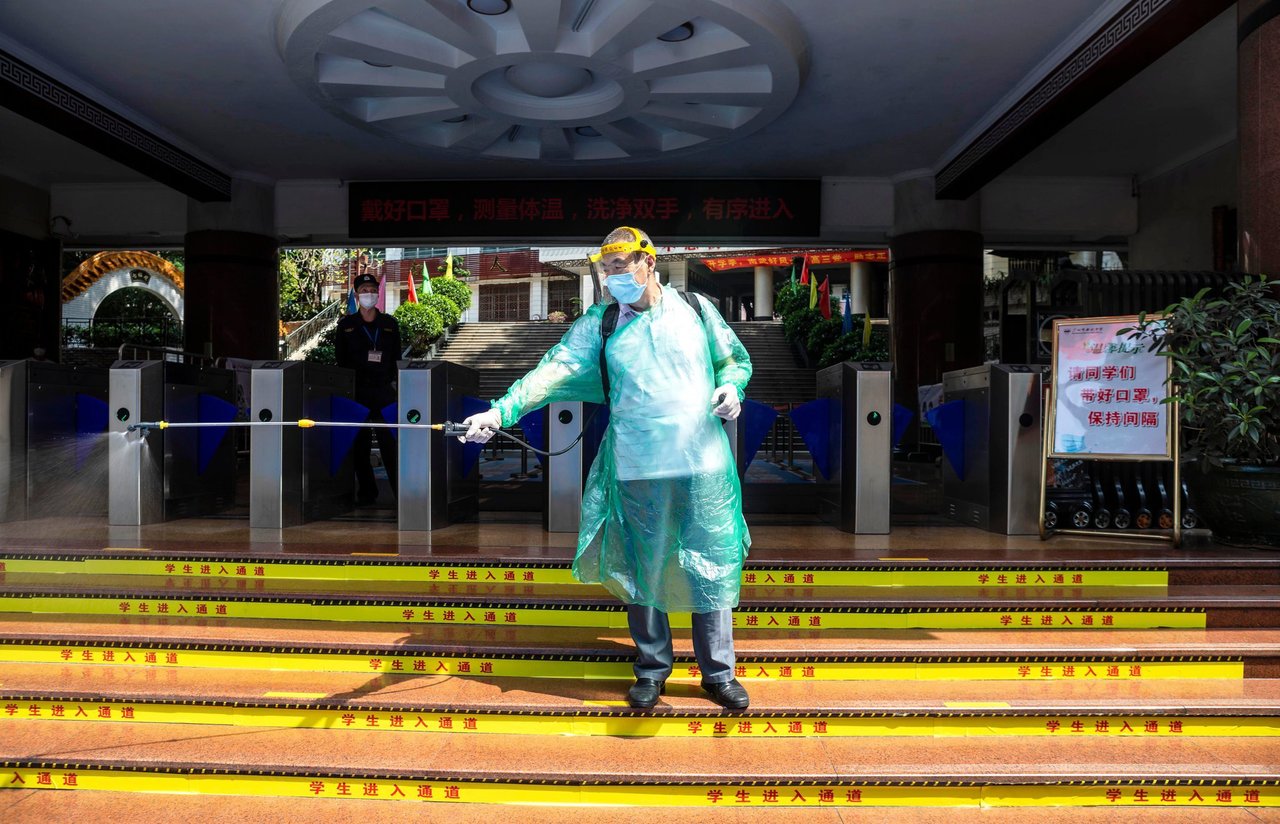
China has already acknowledged that the epidemic has set off the country’s worst slowdown in nearly half a century, with the economy shrinking 6.8 percent in the first three months of the year compared with a year ago. The figure highlights the impact of China’s drastic efforts to stamp out the coronavirus, which included a lockdown that expanded to cover half the population and the temporary closure of factories and offices across the country.
Mr. Xi struck a cautious but optimistic tone on Tuesday about the country’s resolve to restore normal business activity in the world’s second-largest economy.
“Thanks to our strenuous efforts, we have emerged from the most challenging time,” Mr. Xi told the president of Nepal in a phone conversation, according to the Foreign Ministry. “Yet we remain soberly aware of the situation.”
“We have every confidence that China’s economic fundamentals underpinning long-term growth remain solid,” he was described as saying.