
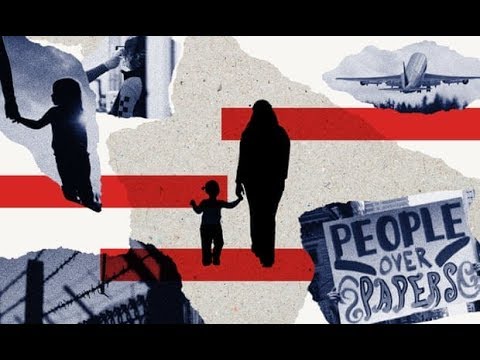
Deported amid coronavirus US sends Guatemalan family home to face new
As the plane descended into Guatemala City, María tried to calm her six-year-old niece. “Mami, I feel like I’m falling,” the girl told her from the window seat next to her. María, 26, was scared too, and not just because this deportation flight was her first time in the air.
They were returning to Guatemala – the country they had fled after a gang murdered all their living relatives. The pair had been reunited in a Phoenix-area airport just a few hours before, nearly a year after border officials at an Arizona port of entry separated them.
María had raised her niece as a daughter since the girl was an infant. But border officials did not recognize them as a family unit and sent the girl to foster care in New York and María to an immigrant detention center in Arizona.
María, who could not shake the memory of her little girl being ripped out of her arms, had waited a year to hug her niece. They both wept. The moment was bittersweet. María and her girl landed in Guatemala as the coronavirus was taking hold in countries around the world. On the day of their deportation flight, the World Health Organization declared the rapidly growing outbreak a pandemic.
The spread of the coronavirus has exacerbated concerns for immigrants held in detention centers across the US. At least four migrant children in government shelters in New York have tested positive for Covid-19, as have six adult detainees and five detention officers. Immigrant rights advocates, health experts, some members of Congress and even a former official for US Immigration and Customs Enforcement (Ice) are calling for detainees to be released due to the risks of the virus spreading.
For deported asylum seekers like María, the crisis means many are returning to even more dire situations than the threats they originally fled. In Guatemala, the local economy is paralyzed by the pandemic, with businesses and many government offices shuttered. For those arriving on deportation flights, finding jobs and housing has become all but impossible
The US has deported more than 11,600 people to Guatemala since the beginning of this year, according to data from Guatemala’s Migration Institute. As the corona crisis intensified, concern grew among Guatemalan officials about deportation flights contributing to the spread of Covid-19.
Within a week of María’s 11 March arrival, the Guatemalan government closed its borders and announced no new deportation flights from the US could come in until Guatemala prepared new health protocols for repatriated citizens.
The flights resumed a few days later but are now less frequent. Ice has begun taking the temperatures of immigrants before they board. Anyone testing above 100.4F gets referred to a medical screening. Guatemalan officials check again when the passengers deplane. The repatriated citizens are then instructed to self-quarantine. Still, a 29-year-old man on a 26 March deportation flight from Arizona tested positive for Covid-19 over the weekend, Guatemala’s