

How Unicef is preparing for challenge of distributing Covid-19 vaccines
While the world is becoming increasingly optimistic about the chances of an effective coronavirus vaccine becoming available soon, developing countries cannot breathe a sigh of relief just yet.
Advanced economies such as the US, Canada, Britain and the European Union have prepared more than enough doses to vaccinate their entire populations through pre-order agreements.
But most low or lower-income countries are relying on Covax Facility, a global initiative designed to ensure fair and equitable access to vaccines funded by richer countries.
It has so far secured 700 million doses of vaccines and aims to distribute 2 billion next year, mainly for front-line health care and social workers, as well as high-risk and vulnerable groups.
It also faces the challenge of delivering vaccines to those developing countries, a mammoth project even for the Unicef, the world’s largest vaccine buyer.
The agency, which procures more than 2 billion doses of vaccines annually, will be responsible for supplying Covid-19 vaccines for most low to middle-income Covax members.
“It is a big challenge. It doubles the volume that we’re currently handling, but Unicef has all hands on deck preparing to supply approved vaccines around the world,” Pablo Panadero, the chief of transport at Unicef’s supply division, said.
The UN agency is responsible for procuring and delivering Covid-19 vaccines for 82 low and middle-income countries that will receive financial support through the Covax Facility advance market commitment, while the Pan American Health Organisation will procure the vaccine for 10 of its member states.
The two organisations launched a tender on behalf of the Covax Facility earlier this month, inviting all Covid-19 vaccine developers to submit supply bids for next year.
The challenges potentially include countries’ storage capacity and air cargo capacity, which has dropped by about 20 per cent compared with pre-Covid levels, Panadero said.
As the coronavirus continues to ravage much of the world and with Covid-19 cases passing the 60 million mark globally on Thursday, Unicef is also studying how lockdowns or other travel restrictions may further affect its operations.
Between March and May this year, the number of vaccines the agency shipped to children in the developing world was nearly half the number delivered in a typical year – a fall that was exacerbated by the pandemic’s impact on global freight operations.
Panadero said the agency was “mindful” of the risk and is therefore working with the air freight industry to ensure it can “react in a flexible manner” by making additional capacity available.
The impact of the most recent restrictions on air freight capacity also appears to be “much smaller” than during the first wave.
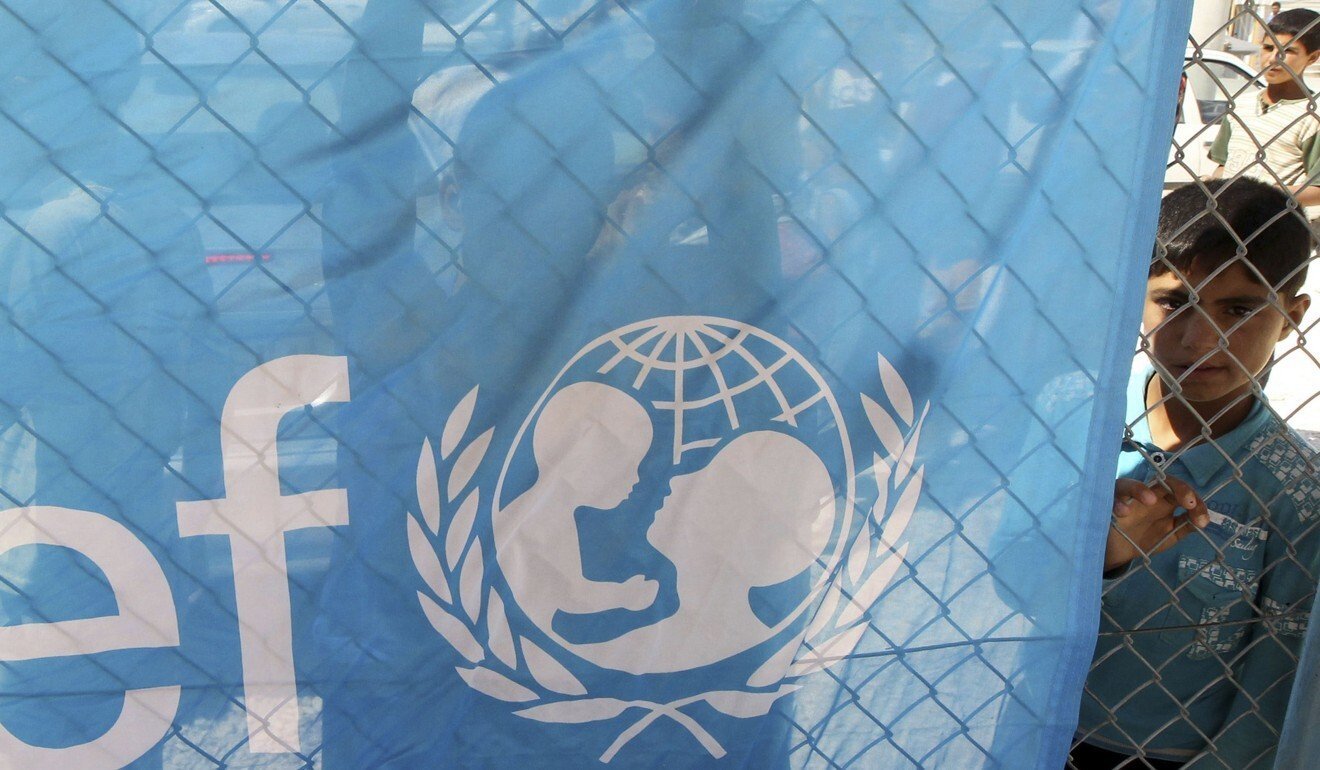
To reach all countries, even those affected by lockdowns, one option would be for the agency to charter its own planes, Panadero said. It already did something similar to supply vaccines for routine immunisation, personal protection equipment and drugs earlier this year.
Last week Unicef, the Pan American Health Organisation and the International Air Transport Association briefed major global airlines on their expected capacity requirements and discussed ways to transport close to 2 billion doses of Covid-19 vaccines in 2021.
Unicef is also assessing the existing transport capacity to identify gaps and its future requirements.
In recent weeks the announcement by drug companies that trials had shown their vaccine had around 95 per cent efficacy focused attention on the question of how these drugs should be delivered.
Some of the most promising vaccines need strict temperature controls, including one made Moderna that must be stored at temperatures of minus 20 degrees Celsius (minus 4 Fahrenheit) and another made by Pfizer and BioNTech, which must be kept at minus 70 degrees.
Panadero said cold chain requirements are currently being mapped out, and added: “I think the advantage is that Unicef has the experience, the network, and the presence to deal with that. We have experience in handling the polio vaccine, which requires transport at minus 20 degrees, so we have experience with, let’s say, extreme cold chains,” he said.
While there are many factors for procuring an affordable and distributable vaccine – such as pricing, cold chain requirements and availability – Unicef plans to primarily rely on existing distribution systems, built primarily around vaccines that can be stored in a normal fridge.
“We’ve been working for decades with ministries of health, with governments to build resilient cold supply chain systems for immunisation, and the best strategy is to work with these systems,” he added.
But effective vaccine distribution will also depend on the preparations made by the recipients.
A report released on Thursday assessing 10 key areas, found that African countries had an average readiness of 33 per cent – far below the benchmark of 80 per cent.
Last month, Unicef started stockpiling more than one billion syringes to ensure they can be delivered to countries before the vaccine arrives.
“Our national teams are working on country preparedness and working with partners in countries to map the cold chain requirements and any potential gaps.
These exercises are ongoing and will determine where the gaps may be and where the strengthening and the investment is required,” Panadero said.