

The Star Trek-style ship that may change the way we explore the oceans - with no captain or crew
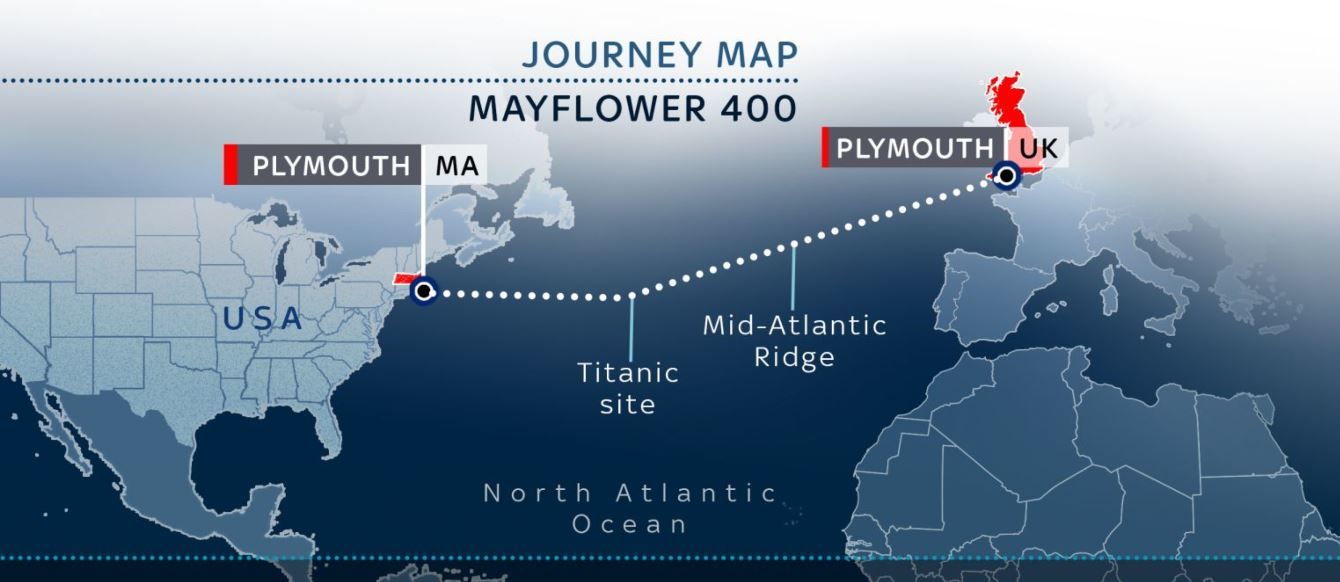
Within the next few weeks, the world's most technologically advanced ship will slip its moorings in Plymouth and begin a pioneering 3,000-mile journey across the Atlantic.
And it will do so without any human intervention.
The Mayflower 400 is named after the original triple-masted vessel that took the Pilgrims to the New World four centuries ago.
But although it will follow the same route to New England, the 21st century ship is nothing like its slow, heavy, wooden forbearer.
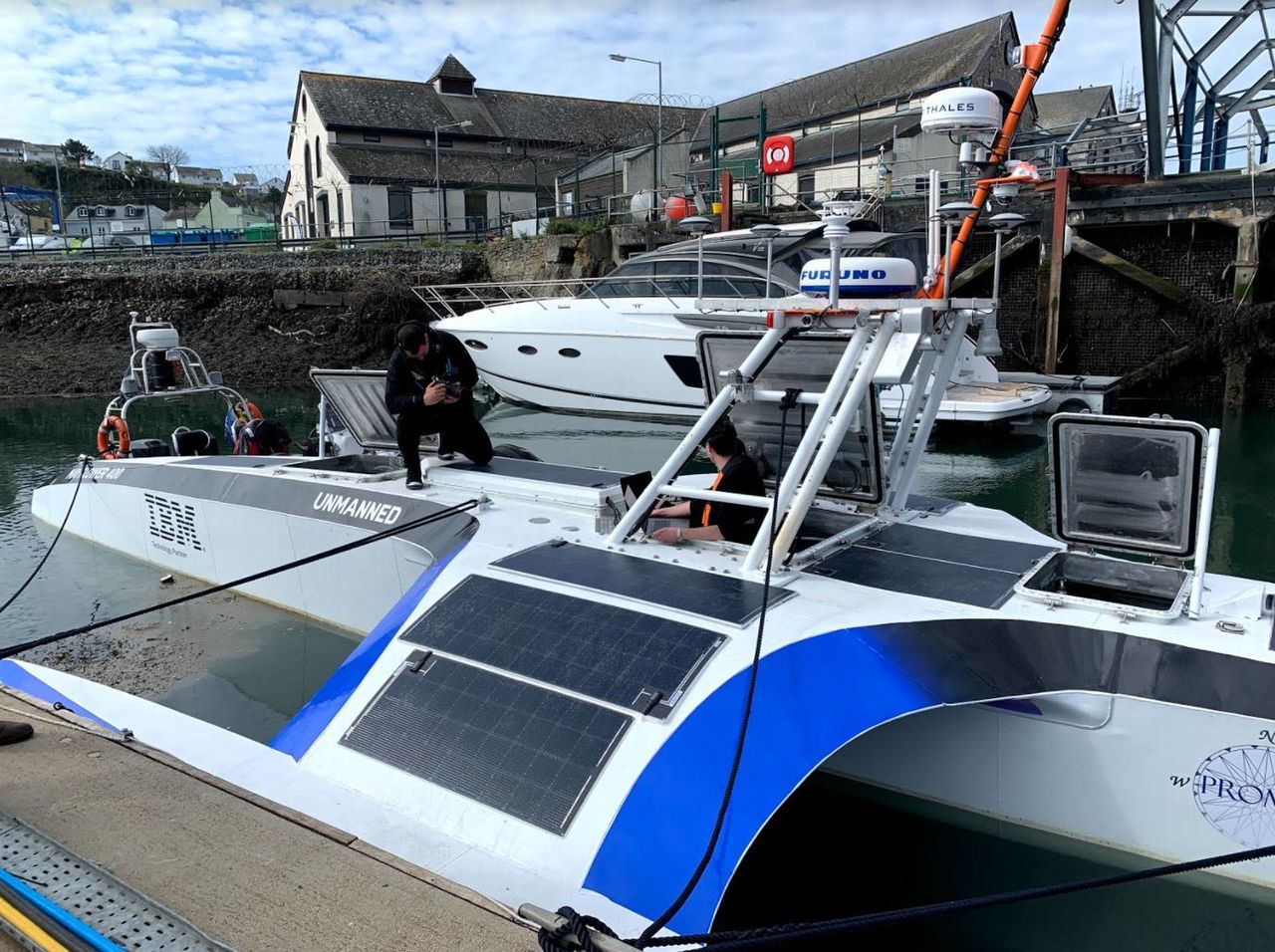
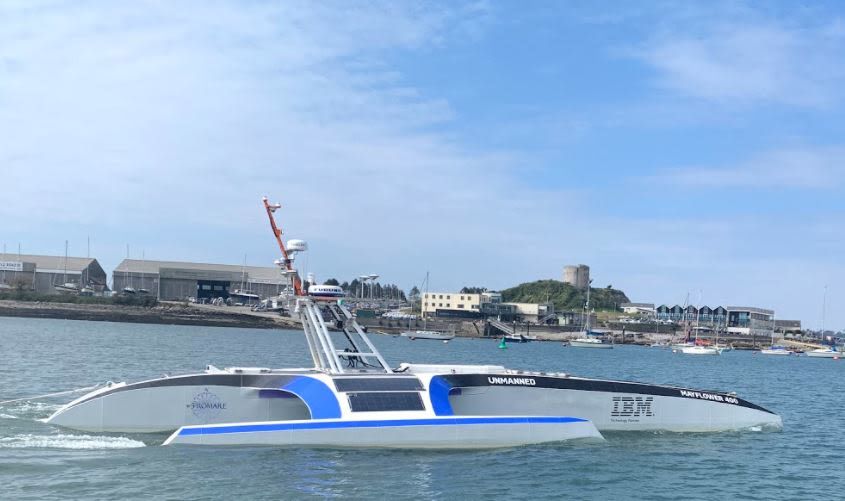
It's a sleek solar-powered trimaran with an AI captain – a computer that's learned to spot hazards and navigate around them.
It's not just a proof of concept for a future of autonomous ships, large and small, that could ply the world’s oceans without a crew.
It's also a floating laboratory, packed with robotic instruments that will sample the water, listen for whale song, and monitor the impact of human activity on ocean health.
Much as robotic rovers are now exploring Mars, Mayflower 400 will enable scientists to investigate parts of the ocean that would otherwise be beyond reach.
In a changing climate, it's vital to understand what's happening in our oceans. They are the planet's lungs and larder.
And they are under threat.
The ship
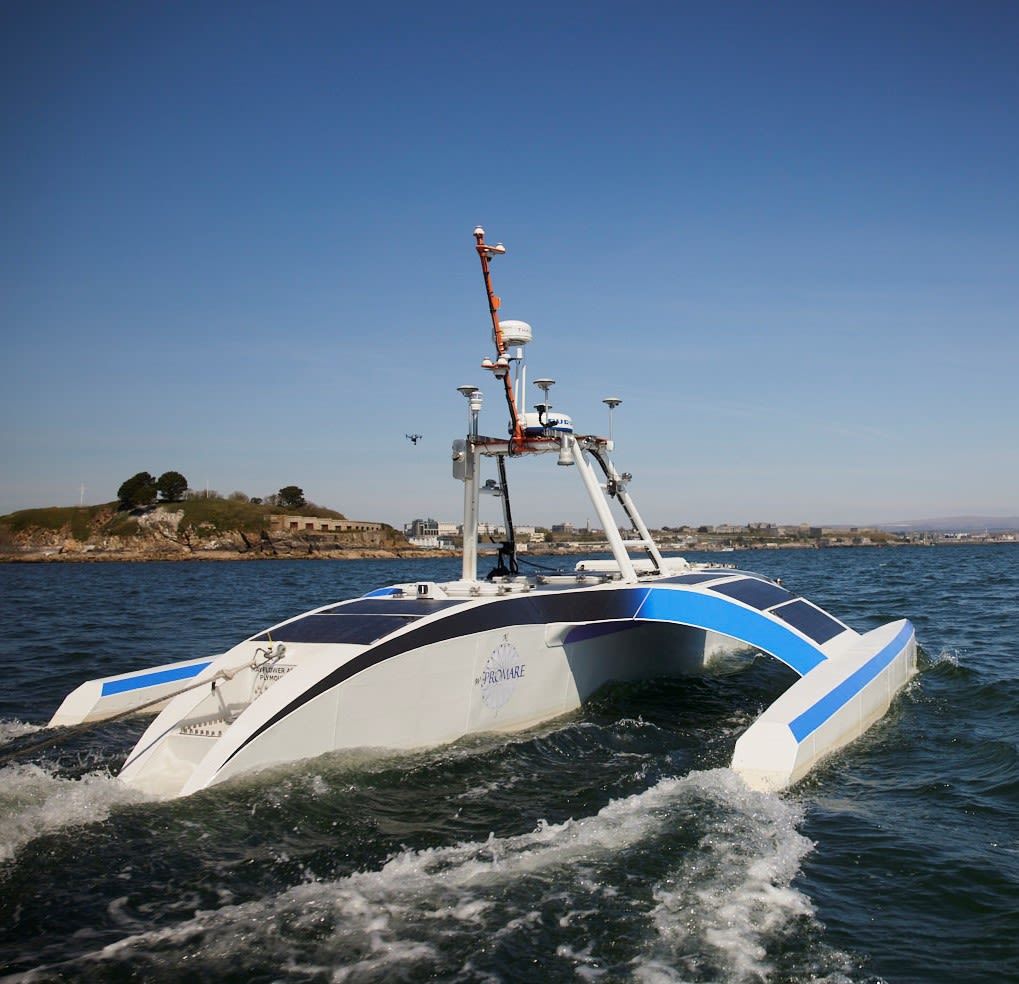
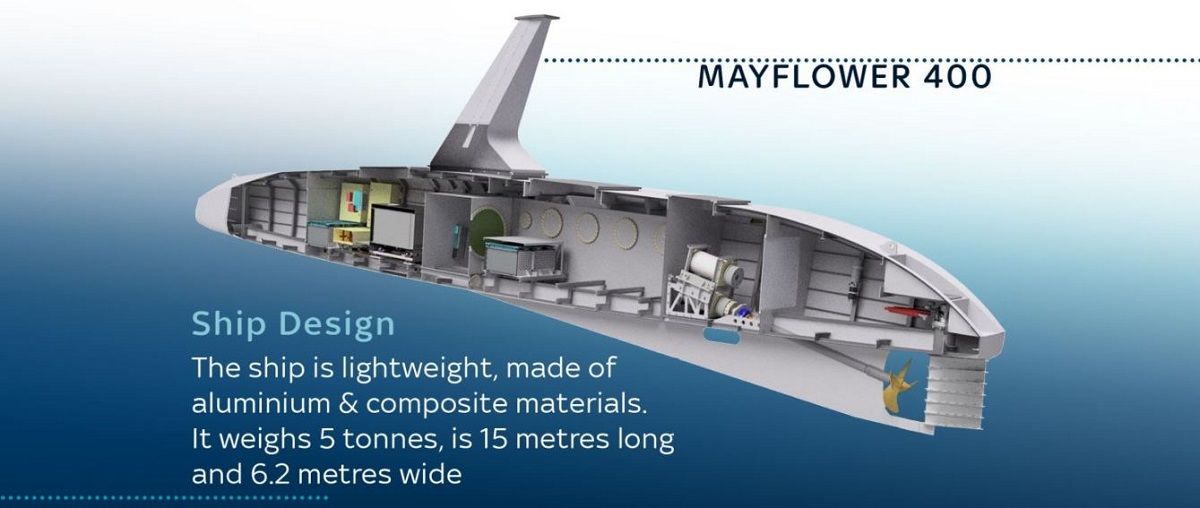
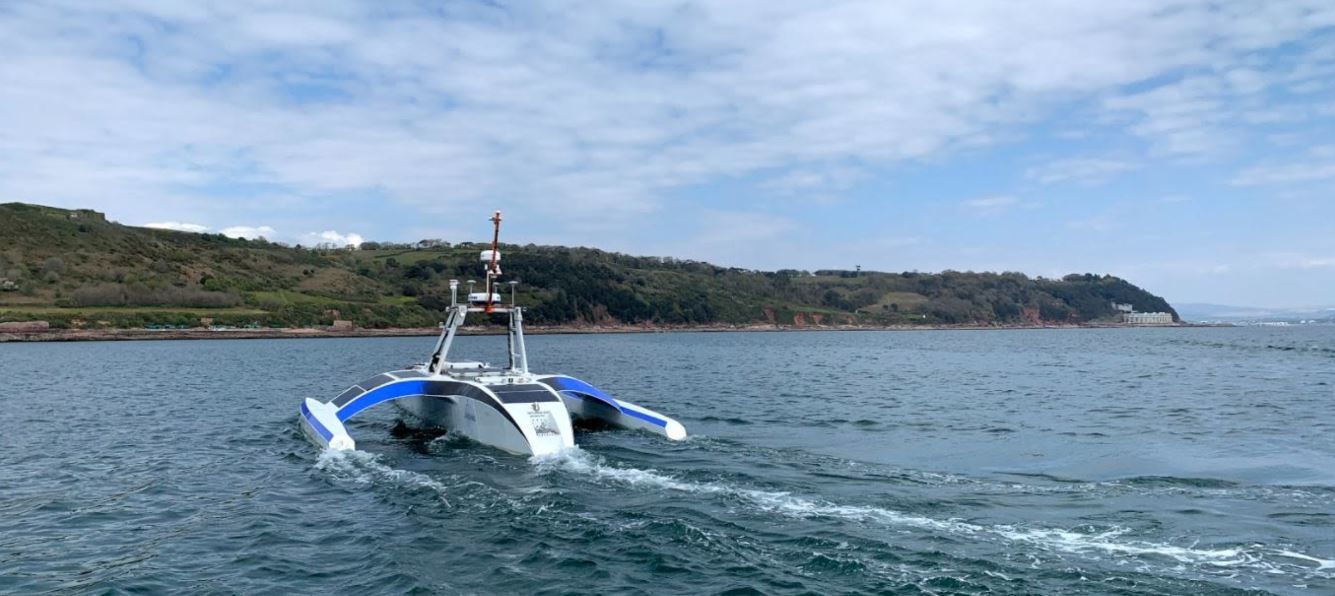
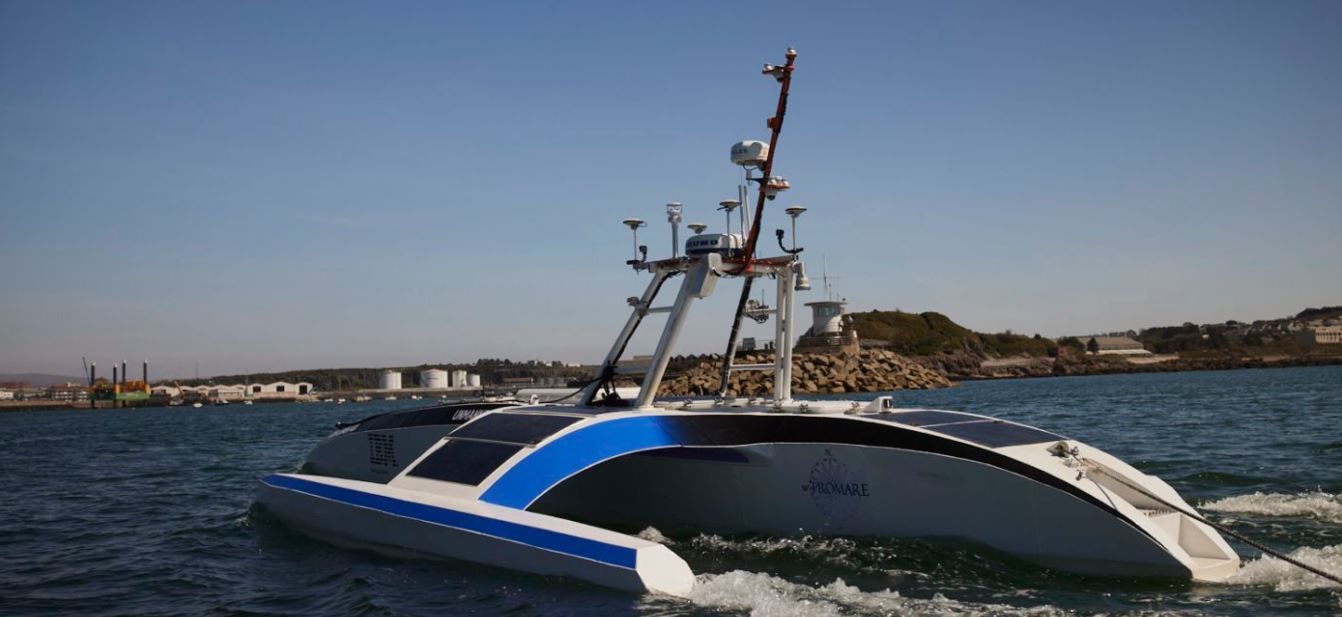
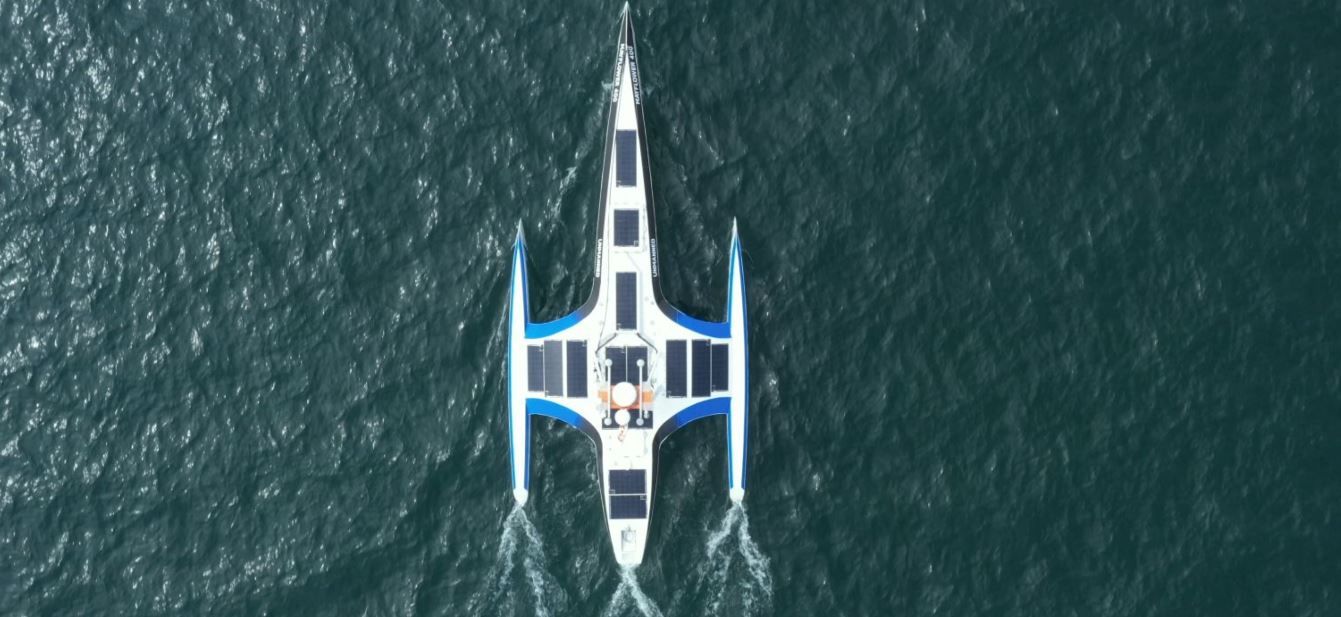
With its dart-shaped central hull, stabilised by wing-like outriggers, Mayflower 400 looks from above like a Starfleet fighter from Star Trek.
It's 15 metres long, half the length of the original Mayflower. And with its sleek form it cuts through the water, barely leaving a wake.
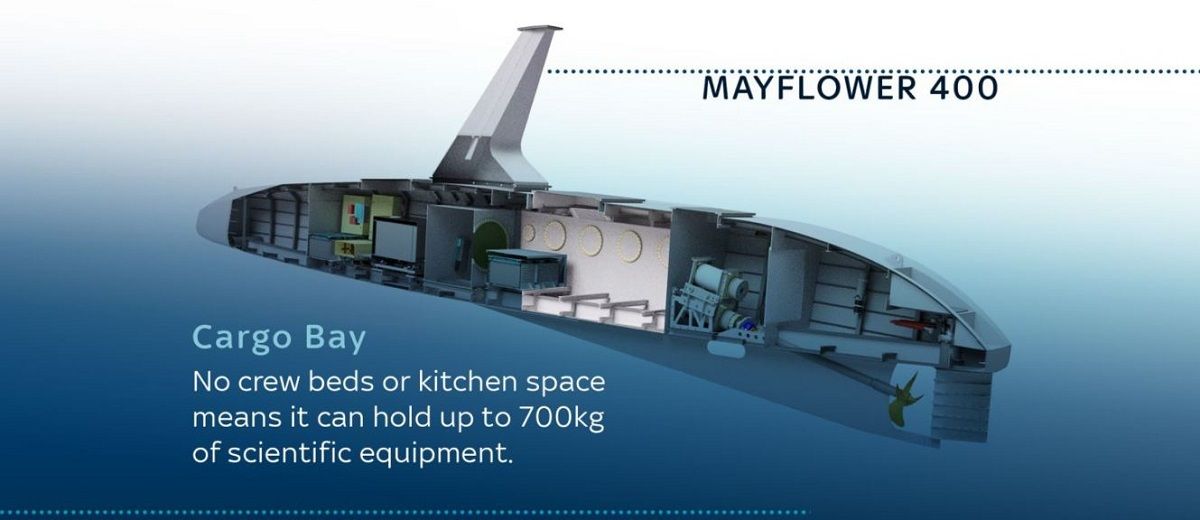
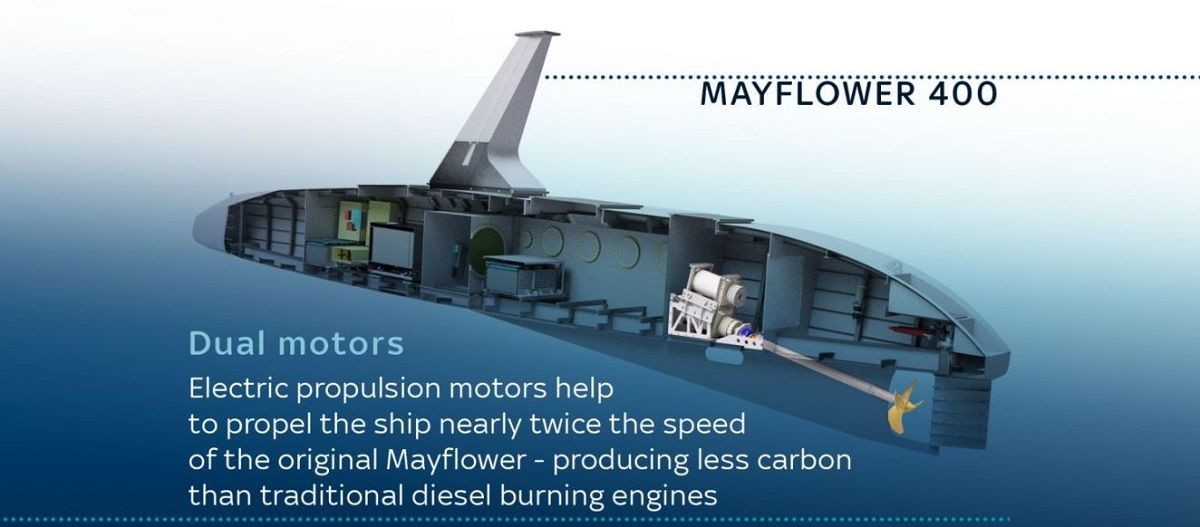
With no humans on board, there’s no need for headroom. Nor are there bunks, toilets or a kitchen. This is pure machine, a robotic ship designed to do science in the remotest parts of the world’s ocean.
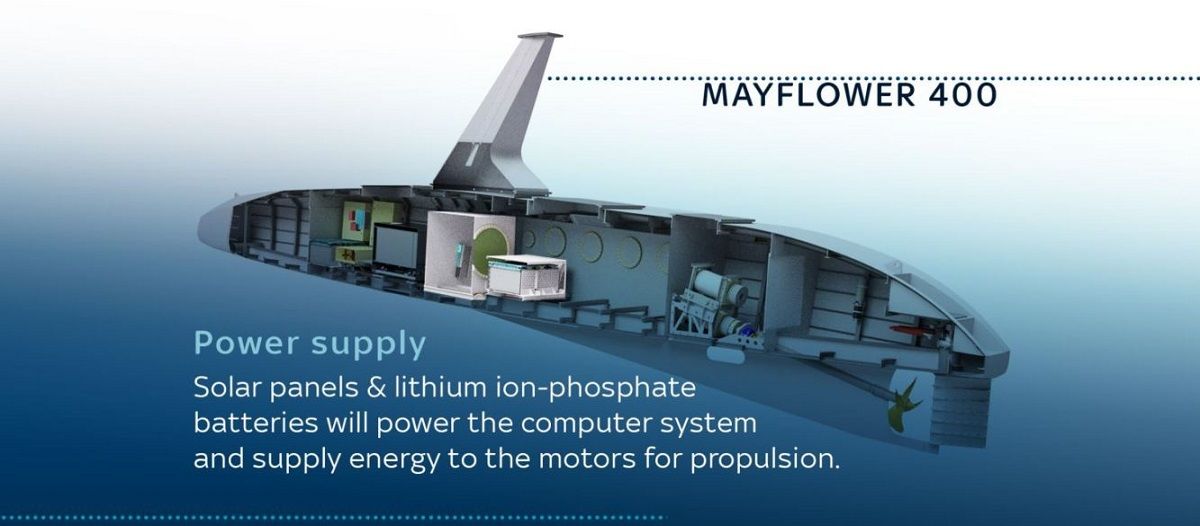
It’s powered by solar panels, supplemented with a frugal diesel-electric engine. In theory, it could spend long periods at sea.
The Mayflower 400 is currently in sea trials in Plymouth Sound, with a team from IBM and ProMare tweaking the software to prepare the ship for its maiden solo voyage.
The technology
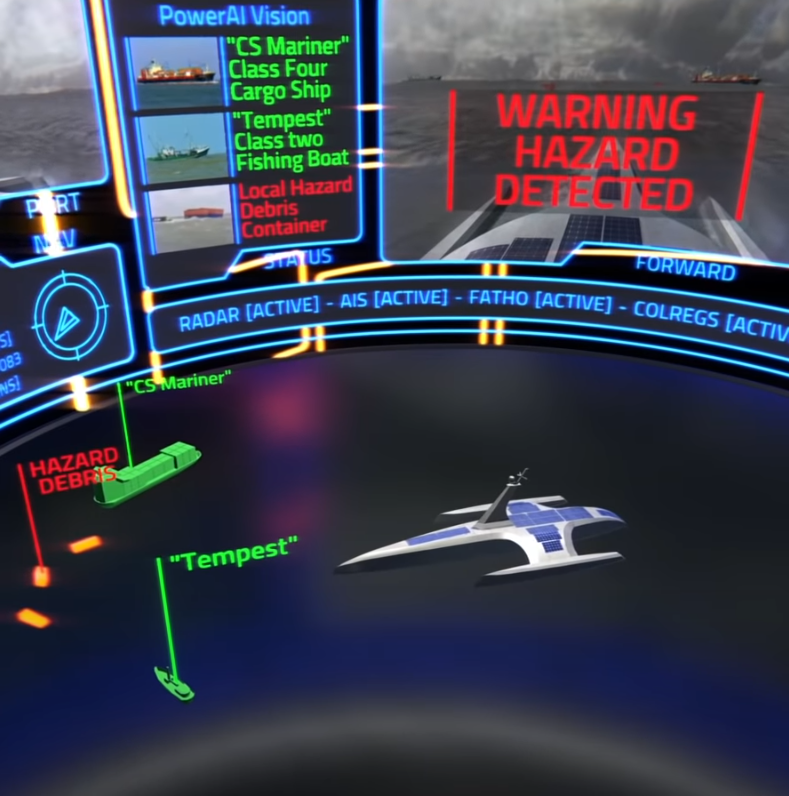
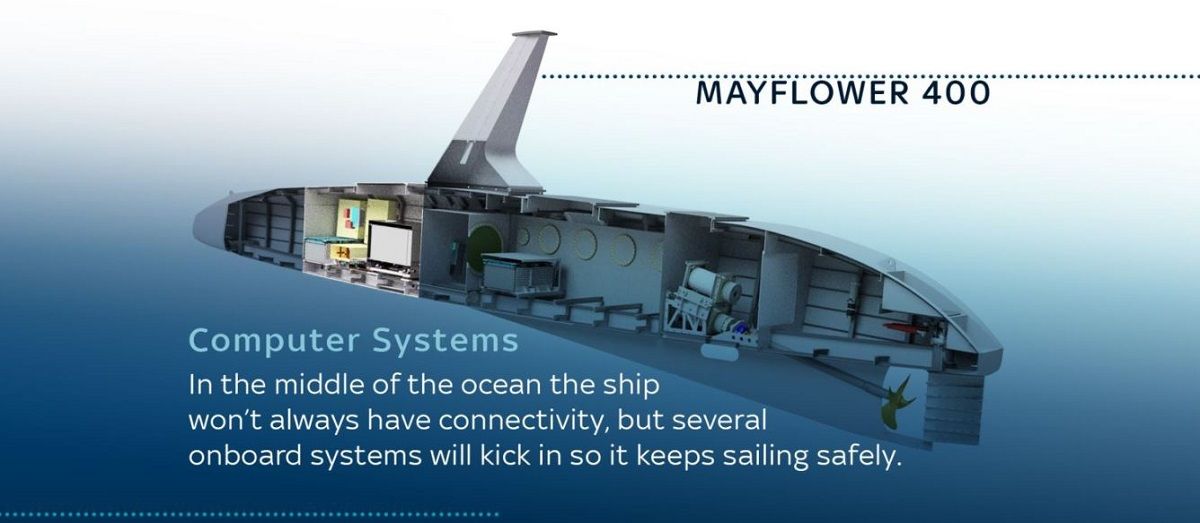
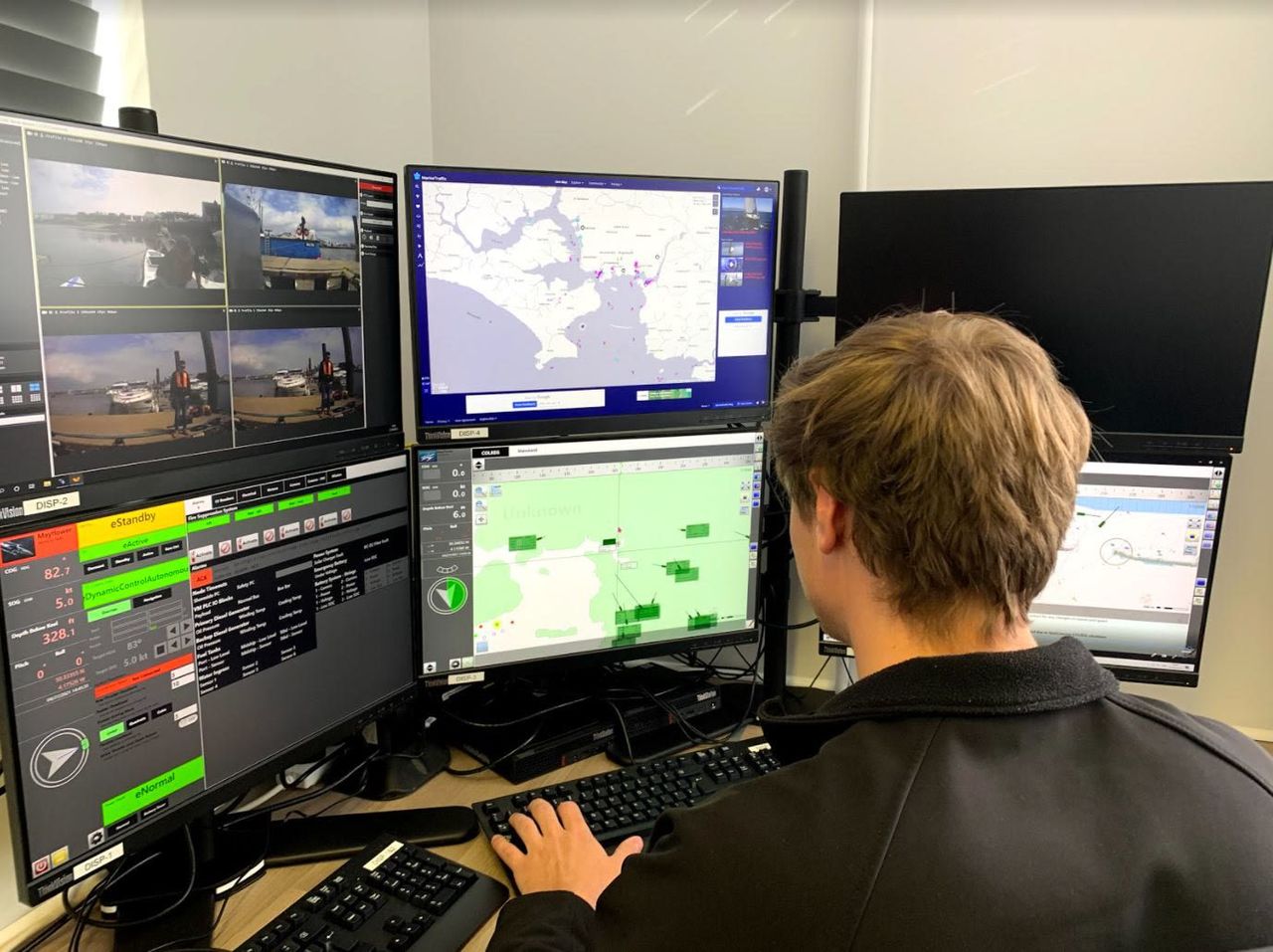
The AI captain is in charge. That's the nickname given to the computer 'brain' of the Mayflower 400 by the engineering team.
Just like a human captain, it is constantly scanning the horizon for threats.
Satellites provide a map of nearby ships, a radar sweeps its surroundings, and cameras feed into the computer's vision system.
It knows what objects are, trained with more than two million images of ships, whales, floating shipping containers, and even paddleboarders - anything it might encounter along the way, however unlikely.
And with each potential hazard it will assess the risk, and change speed and course, as necessary, following the international rules of the sea.
If all else fails, it will stop dead in the water and reassess.
The Mayflower 400 is a proof of concept. In future, artificially intelligent captains could be built into cargo vessels, taking over from humans over long stretches of open ocean, just as autopilots are used on passenger aircraft.
But in the short term, this is a floating lab for ocean science – with human researchers able to download live data, and images, back on land.
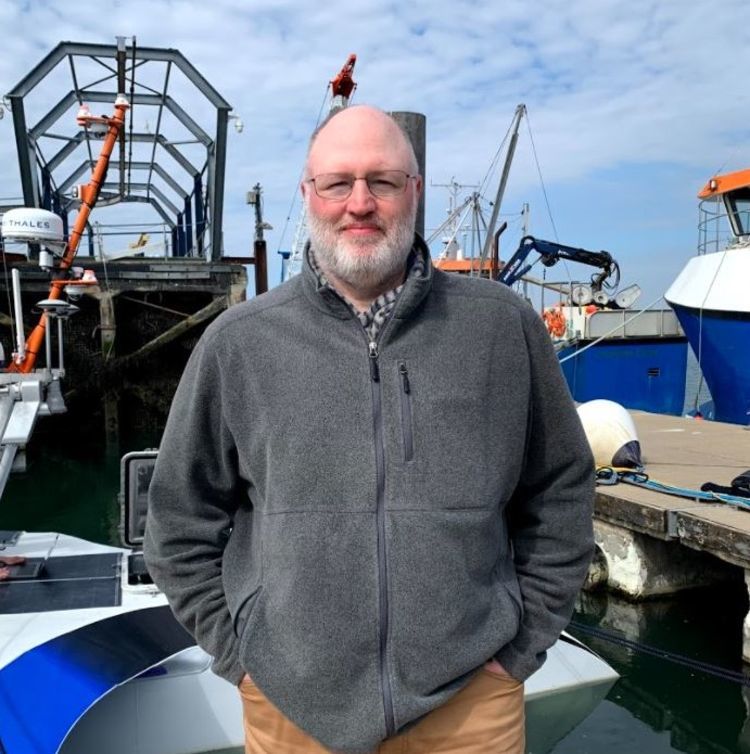
The Mayflower Autonomous Ship project was the idea of Brett Phaneuf, a submarine builder with expertise in ocean archaeology and oceanography.
Brett has come full circle – growing up not far from Plymouth, Massachusetts, and now based in Plymouth, UK. He has made the reverse journey of his autonomous ship's maiden voyage.
He and his wife Ayse Phaneuf, also a marine archaeologist, dedicate their time to supporting marine research and exploration through their non-profit group ProMare.
"It gives your life meaning," says Brett, considering his work from various projects and responsibilities.
Is he nervous about the autonomous ship's first mission? No. Whatever happens it's all about the learning, he says: "Only time will tell."
The science
We know more about the surface of Mars than we do about our own ocean. It covers more than 70% of our planet, but we've only explored 5% of it.
The ocean is just too vast, and too expensive, to be reached by scientists in large research vessels. The Mayflower autonomous ship could change that.
With no need to resupply with food and water, it can spend long periods at sea, reaching the remotest spots.
Inside, its central hull robotic instruments will sample seawater, testing its temperature, acidity and saltiness.
The ocean has absorbed a quarter of our carbon dioxide emissions since the 1980s – along with 90% of the excess heat from global warming.
But that’s having an impact on marine life. So, the ship’s instruments will also monitor plankton, the bottom of the ocean food chain. There are also underwater microphones listening out for whale song.
Nobody knows how many marine mammals there are in the open ocean. But the Mayflower’s computer has learned not only to distinguish the clicks of a dolphin from the whine of a ship, but is also able to gauge the size of the local population.
And this is just the first version of the floating lab. In future, they are considering cameras that can be dangled into the depths to look for new species.
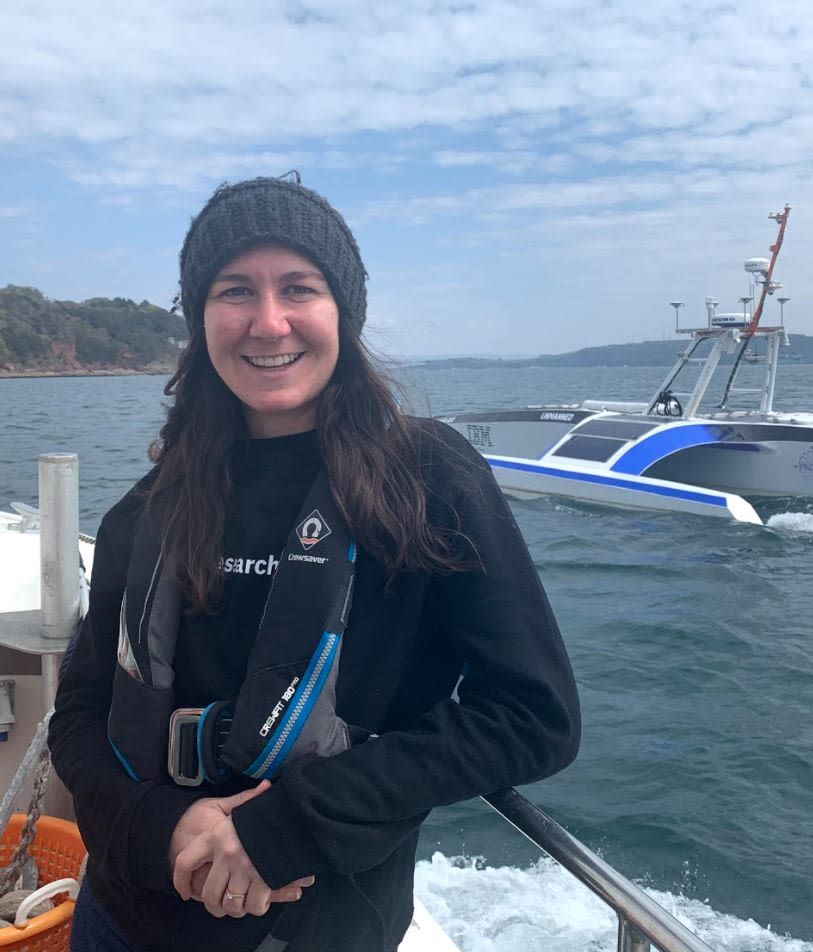
Behind the on-board science work is Rosie Lickorish, a software engineer at IBM with a passion and love for the oceans.
She was inspired to study oceanography after traveling to Mexico to study coral reefs and went on to specialise in climate modelling.
Rosie was able to bring together her two passions – developing software and protecting the ocean – in the Mayflower Autonomous Ship project, where she believes we can learn to harness new technologies as forces for good.
When she first started working in climate modelling, she says "it felt like this really bleak picture, there wasn't this same kind of awareness (of climate change)".
But now, the conversation around our planet has ignited, and she hopes the work of the ship can inspire younger generations.
She says: "It's their planet, and they’re going to be on it longer than we are."
The original Mayflower and its early settlers took 10 weeks to cross the Atlantic.
It's 21st century namesake should make the same journey in a little over two.
The modern Mayflower is a pioneer in its own right; a ship that navigates itself around the world, reaching the remotest parts of the ocean and helping scientists understand what's at stake if we don't get a grip on global warming.