
"To talk about herd immunity, 60 or 70% of the population has to be reached"
Gorgas Memorial Institute epidemiologist Xavier Sáez-Llorens, plans a large seroprevalence study in May or June, to find out what percentage of the population of Panama has been infected with COVID-19.
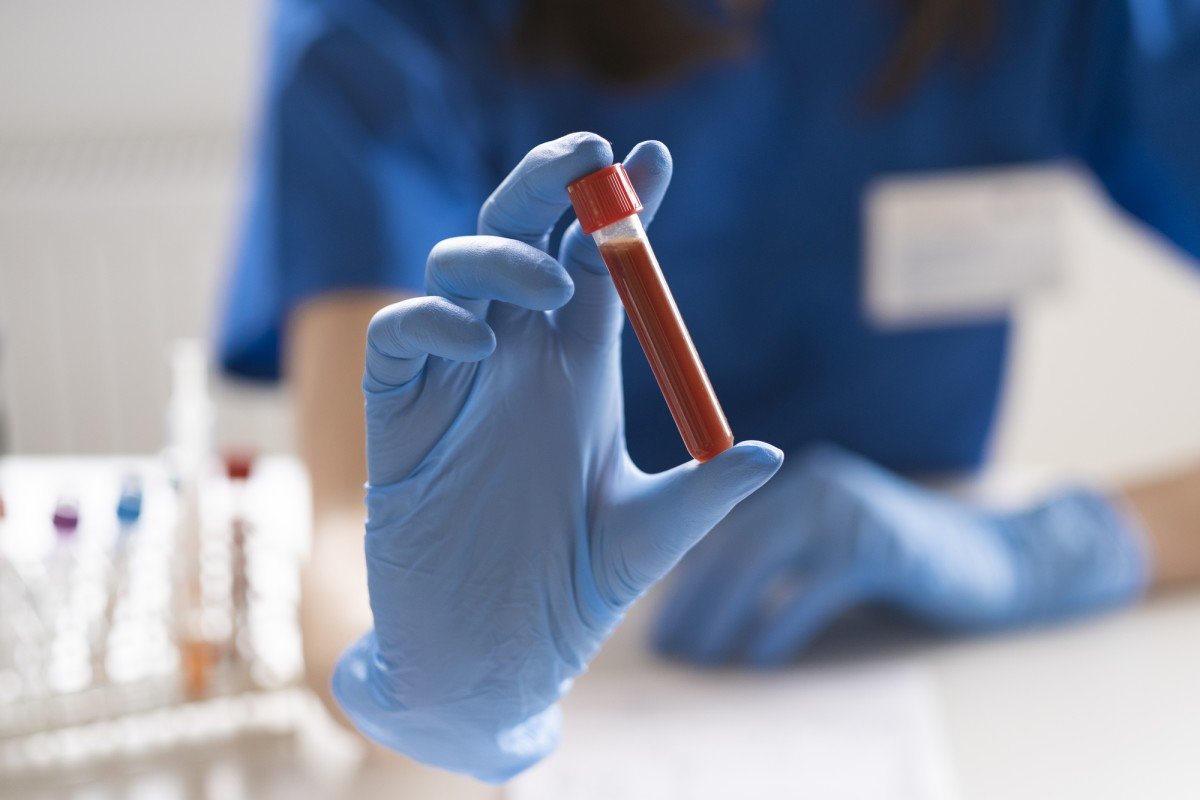
"The only way to know, if there is herd immunity is by doing seroprevalence studies, which is by analyzing the blood of many people and seeing if they have antibodies. To speak of herd immunity, we have to reach 60 or 70% of the population, so that may take a while, and to reach that percentage will probably be towards the end of the year,” said the epidemiologist and member of the Technical Advisory Committee of the Ministry of Health (Minsa) against COVID-19, Xavier Sáez-Llorens.
He explained that, one seroprevalence test case requires three different tests, and a large number of tests needs to be done, to be able to cover the entire population or at least a significant number of the population that is representative.
The epidemiologist pointed out that serological tests had initially been used for health personnel and police, to see what percentage of doctors, nurses, police and security personnel had already suffered from COVID-19 and to determine possibility of them being immune, but extending it to the entire population will take time, because we need a good amount of these tests and there are many countries that are also requesting them.
He explained that, most likely, in May or June we are in the capacity to do a large seroprevalence study, to know what percentage of the population of Panama has been infected with COVID-19.
"There is something positive in everything; if we have had a large number of cases with respect to other countries in the area, it means that we very likely have a percentage of the population that is already potentially immune – a much higher number than in countries that have small number of cases, and that in a way gives us an advantage of achieving faster herd immunity in the future, "said the specialist.