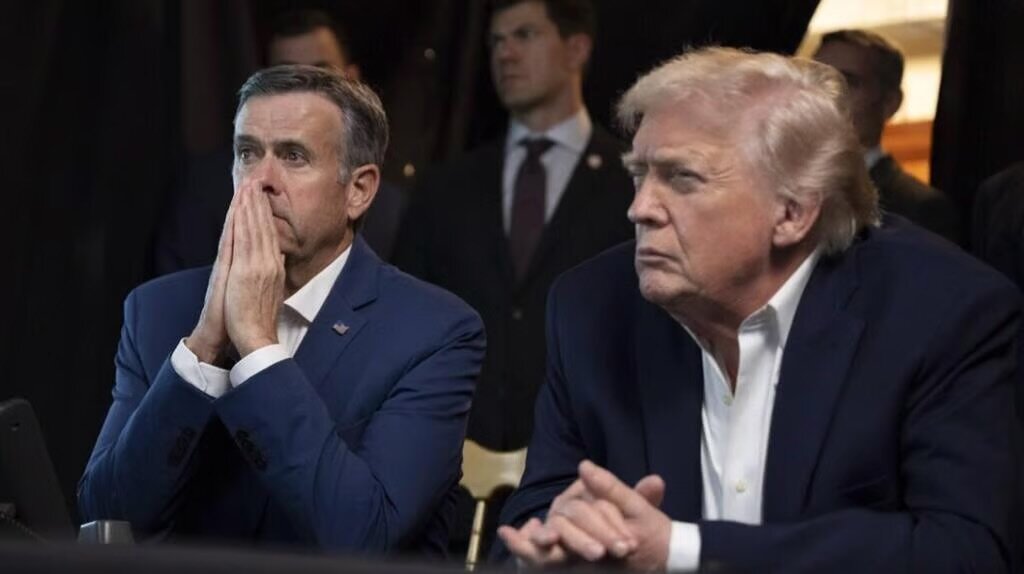

Trump Says U.S. Will Run Venezuela for Now and Demand Oil Concessions From Any Successor to Maduro
With Nicolás Maduro captured, the White House signals a U.S.-controlled transition and makes access to Venezuela’s oil a central condition for new leadership
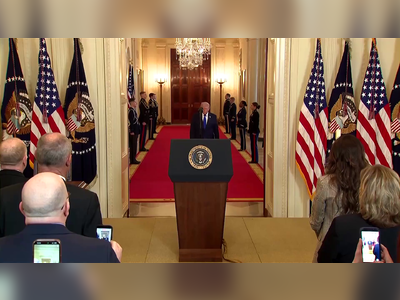
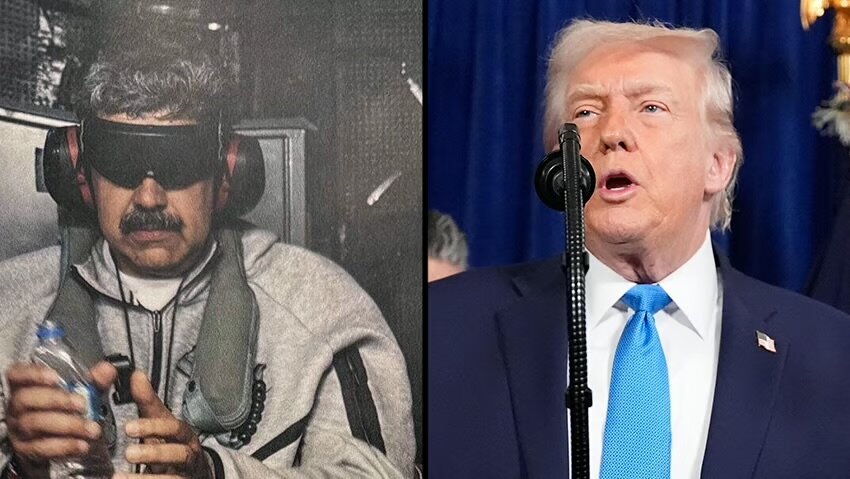
President Donald Trump said the United States will administer Venezuela until what he called an orderly transfer of power can be arranged, while declining to define the criteria for that transition or provide a timeline.
Speaking from Mar-a-Lago, he said Washington is in no rush to decide who will replace Nicolás Maduro and added that an unspecified “group” would assume responsibility for the country in the interim.
Trump argued that the arrangement would “cost nothing,” presenting Venezuela’s vast oil resources as the financial basis for the plan.
He signaled that no successor will be accepted without U.S. approval, and that such approval will be impossible without agreement to transfer large portions of Venezuela’s oil reserves and related control to American oil companies.
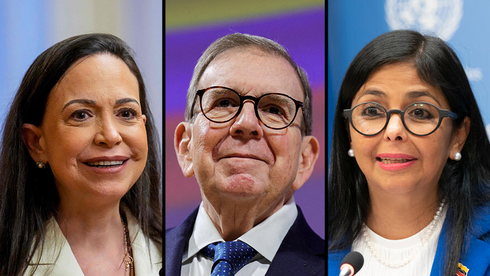
Trump also claimed that Secretary of State Marco Rubio spoke with Delcy Rodríguez, Maduro’s vice president, and that she told him she would do whatever the United States needs her to do.
At the time of writing, the broader status of Venezuela’s leadership structure and the practical mechanism for U.S. administration were not set out in detail.
The question of succession is now central.
Under Venezuelan state hierarchy, Rodríguez would ordinarily be next in line, but Trump’s comments pointed to a transition managed on Washington’s terms rather than one derived from the existing regime’s internal continuity.
Opposition leader María Corina Machado publicly supported the American action and called for Venezuelan unity, while naming Edmundo González as the person she believes should assume power immediately.
Machado described González as the true winner of Venezuela’s two thousand twenty-four summer election.
According to the account, González, a seventy-five-year-old former diplomat, received sixty-seven percent of the vote to Maduro’s thirty percent, but Maduro retained power and González sought refuge inside diplomatic premises in Caracas before fleeing to Madrid, where he remains.
Trump, however, made a pointed observation that Machado lacks sufficient popular support inside Venezuela, introducing uncertainty about whether she would be treated as Washington’s preferred political anchor.
Trump’s position was blunt: the United States will decide what happens next in Venezuela, and oil will sit at the center of that decision.
The struggle to replace Maduro is now inseparable from the terms set by Washington.
Speaking from Mar-a-Lago, he said Washington is in no rush to decide who will replace Nicolás Maduro and added that an unspecified “group” would assume responsibility for the country in the interim.
Trump argued that the arrangement would “cost nothing,” presenting Venezuela’s vast oil resources as the financial basis for the plan.
He signaled that no successor will be accepted without U.S. approval, and that such approval will be impossible without agreement to transfer large portions of Venezuela’s oil reserves and related control to American oil companies.
Trump also claimed that Secretary of State Marco Rubio spoke with Delcy Rodríguez, Maduro’s vice president, and that she told him she would do whatever the United States needs her to do.
At the time of writing, the broader status of Venezuela’s leadership structure and the practical mechanism for U.S. administration were not set out in detail.
The question of succession is now central.
Under Venezuelan state hierarchy, Rodríguez would ordinarily be next in line, but Trump’s comments pointed to a transition managed on Washington’s terms rather than one derived from the existing regime’s internal continuity.
Opposition leader María Corina Machado publicly supported the American action and called for Venezuelan unity, while naming Edmundo González as the person she believes should assume power immediately.
Machado described González as the true winner of Venezuela’s two thousand twenty-four summer election.
According to the account, González, a seventy-five-year-old former diplomat, received sixty-seven percent of the vote to Maduro’s thirty percent, but Maduro retained power and González sought refuge inside diplomatic premises in Caracas before fleeing to Madrid, where he remains.
Trump, however, made a pointed observation that Machado lacks sufficient popular support inside Venezuela, introducing uncertainty about whether she would be treated as Washington’s preferred political anchor.
Trump’s position was blunt: the United States will decide what happens next in Venezuela, and oil will sit at the center of that decision.
The struggle to replace Maduro is now inseparable from the terms set by Washington.